Key takeaways
- There is no mansion to tour, and that is the whole misunderstanding. People arrive expecting an antebellum house and find low tabby ruins a few feet high, a museum and an oak avenue. Wormsloe House is a private residence, lived in by Noble Jones’s descendants — what happened to the house and what is actually there.
- You are paying to drive the road. The famous avenue shot is inside the gate, and Georgia State Parks lists adult admission at $12 at the time of writing, with lower rates for seniors, youth and small children. Prices and online-ticket rules change, so confirm at gastateparks.org — the four age tiers, explained.
- Forrest Gump was not filmed at Wormsloe. The running scenes were shot around Beaufort, South Carolina, and the bench scenes at Chippewa Square in downtown Savannah, where the bench was a film prop that has since been removed. The Last Song (2010) was filmed here — the myth, and what really was shot on this avenue.
- Only one bookable tour drives into Wormsloe. It pairs the site with Bonaventure Cemetery and includes transport from Savannah; the trolley and cemetery tours are city products that do not stop here, however good they are — the one that goes and all five compared.
- Most people need one to two hours. US News puts a typical visit at 1–2 hours; a thorough visitor covering the whole site described spending 2.5. Add walking time if you leave the car — how to split the time.
- Quiet at 10 a.m., packed by 12:30. One detailed Saturday account records arriving at 10 with 95% of photographs free of other people, and the site full by half past twelve. Come early, especially at weekends, and especially in summer heat — when to go and how to photograph the avenue.
What the gate ticket buys, and what it does not
Read the two columns side by side before you drive out here. The right one is the reason for every one-star review Wormsloe has ever collected, and I would rather you read it now than at the gate.
Inside the gate
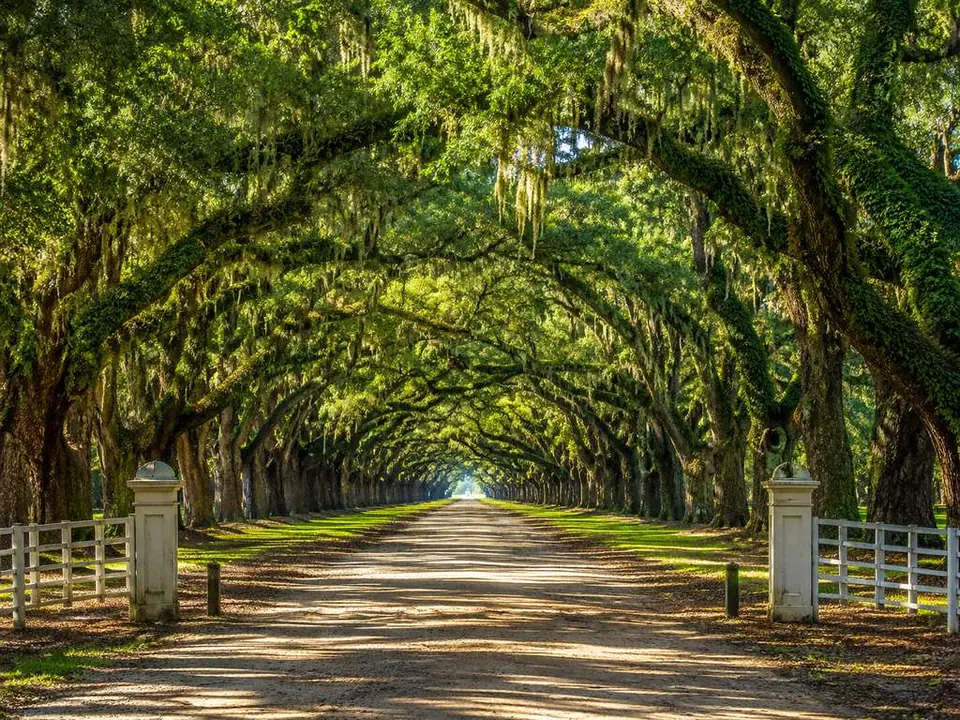
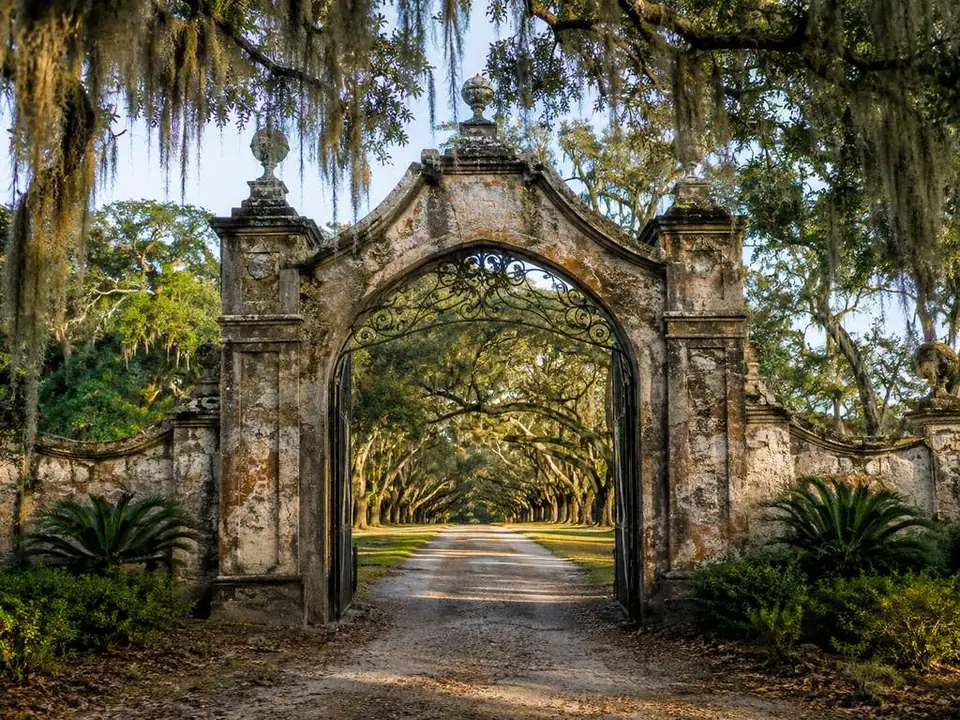
- The 1.5-mile avenue of live oaks, draped in Spanish moss — the most photographed drive on this part of the coast, and you may drive it or walk it — driving versus walking
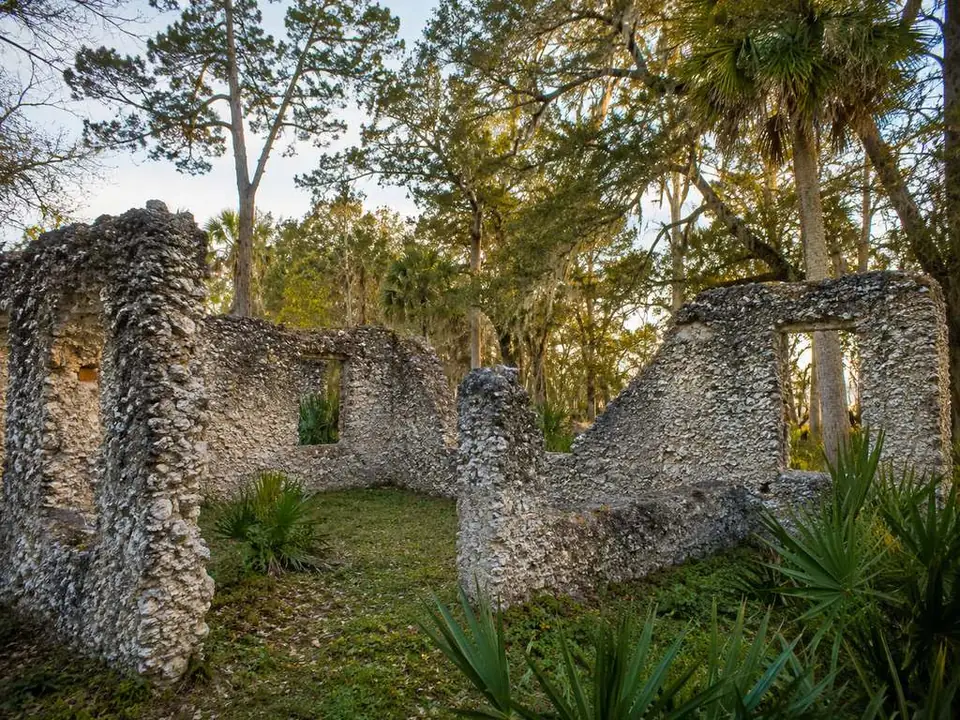
- The tabby ruins of Noble Jones’s fortified house, among the oldest standing structures in the Savannah area (tabby is a colonial concrete of lime, sand, water and oyster shells)
- A museum of colonial artefacts, and a Colonial Life Area with costumed demonstrations on scheduled days
- The Jones family burial ground and nature trails through maritime forest and salt marsh — the site lists a 7-mile trail system, with shorter loops of roughly 2.3 miles
- Gift shop, restrooms, a picnic area of about 20 first-come tables, and shuttle tours run at the site — the practical details
Not inside the gate, whatever you were promised
- A house tour. Wormsloe House is private and occupied; Craig Barrow III and his wife Diana have lived on the family property since 1986. Look from the avenue, and leave them alone
- A Forrest Gump location. It was not filmed here, and no amount of moss makes it so — the debunk
- A free photograph. The tunnel of oaks begins past the ticket booth; there is no roadside vantage point that gives you the shot
- Lunch. No food is sold on site. Bring it with you or eat in Savannah — leashed pets are welcome on the trails but not inside the buildings
- An hour of shade. Much of the site is open and uncovered, and a Savannah summer afternoon here is hot, humid and buggy — go early
The visit, in the order you meet it
Wormsloe has one road in and a sensible sequence along it. This is what you pass, from the ticket booth to the marsh.
You pay at the gate on Skidaway Road, drive or walk the oak avenue, and reach the tabby ruins, the museum and the Colonial Life Area at the far end, with the burial ground and the trails beyond.
- The gate and visitor centre — Where you pay, pick up a map and find the restrooms and gift shop. Gate hours run 9 a.m. to 4:45 p.m. daily, closed Thanksgiving and Christmas Day — hours and closures.
- The 1.5-mile avenue of oaks — The reason most people come: live oaks planted in double rows, moss hanging low enough to touch the roof of a car. It is a public road inside a state site, so drive it slowly, and walk it if the weather allows.
- The tabby ruins — The remains of Noble Jones’s fortified house, begun in 1736 and now standing a few feet high — oyster-shell concrete, not marble. Among the oldest standing structures in the Savannah area.
- The museum — A small building of colonial artefacts that explains what the ruins were, who lived here and what the estate grew — corn, rice, indigo, rare fruits, mulberry trees for silkworms — the full history.
- The Colonial Life Area — Costumed demonstrations of colonial crafts and daily work on scheduled days. Check what is running before you come, because an empty demonstration area is just a clearing.
- The Jones family burial ground — The family that has held this land since the 1730s is buried on it. Quiet, small, and worth the two minutes.
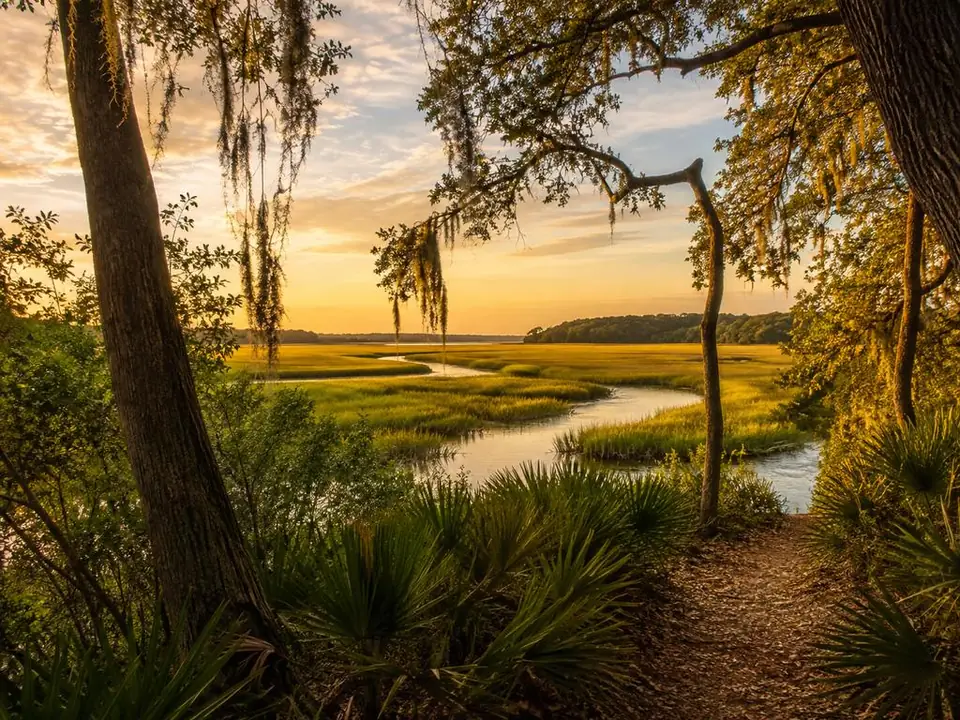
- The marsh and forest trails — Paths through maritime forest out to the salt marsh, on a trail system the site lists at 7 miles, with loops of roughly 2.3 miles. Shuttle tours run on site, and some visitors ride back rather than walk the avenue twice.
That is the whole site, and it is a good hour or two rather than a grand estate day — every stop in detail and whether it is worth it for you.
How to decide, in four steps
Work out what you actually want
A photograph, a morning walk, or the history explained out loud. Those are three different bookings, and nearly every disappointed visitor I have met skipped this step.
Want the photograph? Buy a gate ticket and set an alarm
There is no free angle on the avenue, and the difference between 10 a.m. and 12:30 p.m. on a Saturday is the difference between empty frames and other people’s elbows — timing it.
Would rather not drive? Take the one tour that goes
Only one bookable product turns in at the gate, pairing Wormsloe with Bonaventure Cemetery and bringing you out from Savannah and back — what it covers.
Building a whole day? Pair a city tour with a self-drive
The trolley, the stay-on-the-bus overview and the golf-cart cemetery tour are all good products, and none of them stops at Wormsloe. Use one to get your bearings downtown, then drive out yourself — one Savannah day, planned.
Check dates for the tour that actually drives into Wormsloe
The flagship day: Wormsloe and Bonaventure Cemetery together, roughly six hours, transport from Savannah included, from $59 a person. It rates 4.8 from 285 reviews, and the pattern in those reviews is worth knowing before you book — guides get named and praised by reviewer after reviewer, and one happy customer still finished the day wishing he could have toured a house that no visitor may enter (my full review). If you would rather drive yourself, the gate ticket is the cheaper answer and always has been.
The tour that goes, and two good ones that do not
This table is the site in miniature. Prices, ratings and review counts are the live GetYourGuide figures, and every price is a from-price that moves with the date.
| The only one that goesBonaventure Cemetery & Wormsloe State Historic Site Tour | Savannah: Old Town Hop-On Hop-Off Trolley Tour | Savannah: Historic Districts & Bonaventure Private Tour | |
|---|---|---|---|
| Price | $59 / person | $46 / person | $175 / person |
| Does it enter Wormsloe? | Yes — the gate, the avenue and the site, paired with Bonaventure Cemetery | No. Fifteen stops around the historic district, none of them Wormsloe | No. The historic districts and the Isle of Hope area; the listing does not put you inside the gate |
| What it actually is | About six hours with a guide and transport from Savannah, with a lunch stop in the mix | City orientation you hop on and off all day — the sensible way to get your bearings before driving out yourself | A private guide for your own group, covering the districts and the Isle of Hope |
| Review base | 4.8 from 285 reviews — guides named warmly and repeatedly; one reviewer notes the bus does not like bumps | 4.7 from 1,862 reviews, the biggest base in Savannah — and reviewers say guide quality varies driver to driver | 5.0 from only 6 reviews. A 5.0 from six people is not the same thing as a 4.7 from 1,862, and I will keep saying so |
| Who it suits | Anyone who wants Wormsloe explained and does not want to drive — reviewed in full | First morning in Savannah, no car, no plan — reviewed in full | Small groups who want the day bent around them — reviewed in full |
| Book this → | View → | View → |
Photo Gallery
Wormsloe, as it actually looks
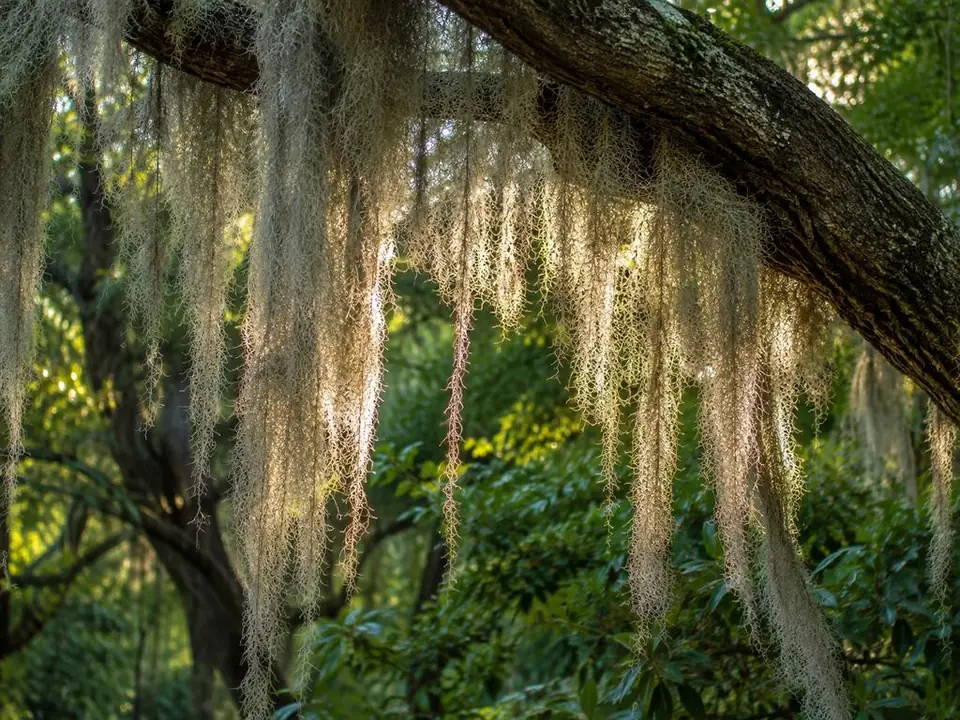
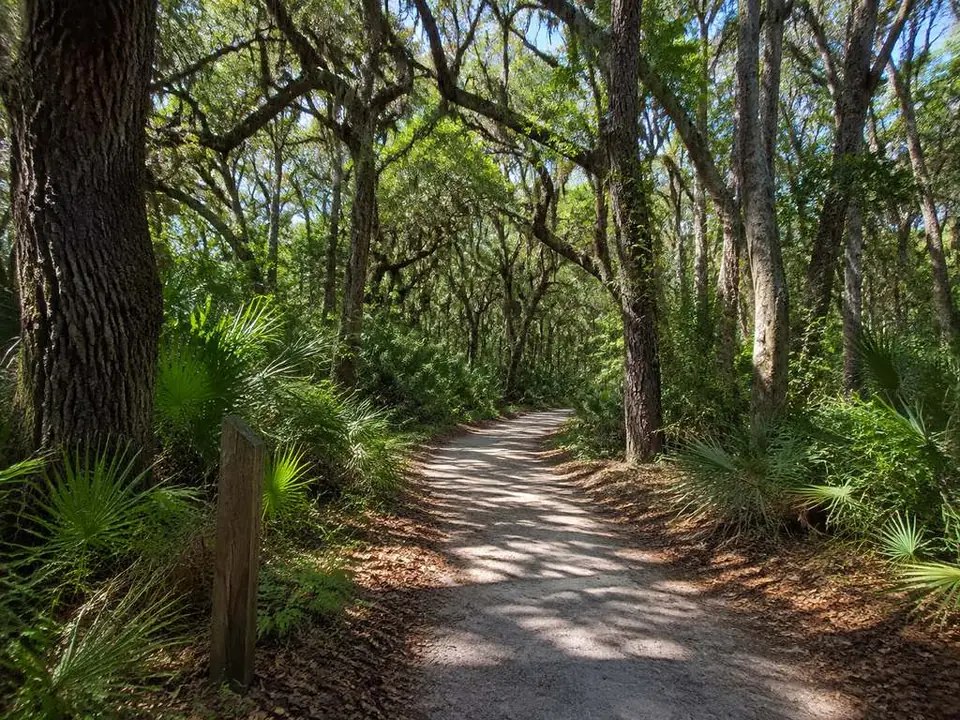
The avenue, the ruins and the marsh — every one of these is inside the gate, which is the point of the ticket.
The five tours worth comparing
One of these drives into Wormsloe. The other four are Savannah tours that do not, and I list them because they are the things worth pairing with a self-drive and a gate ticket, not because they will get you down the avenue. Two flags before the cards: the private tour’s 5.0 rests on six reviews, and the trolley’s reviewers say guide quality varies by driver. Every product has an honest review on this site, or see all five on one page and what they cost against the gate.
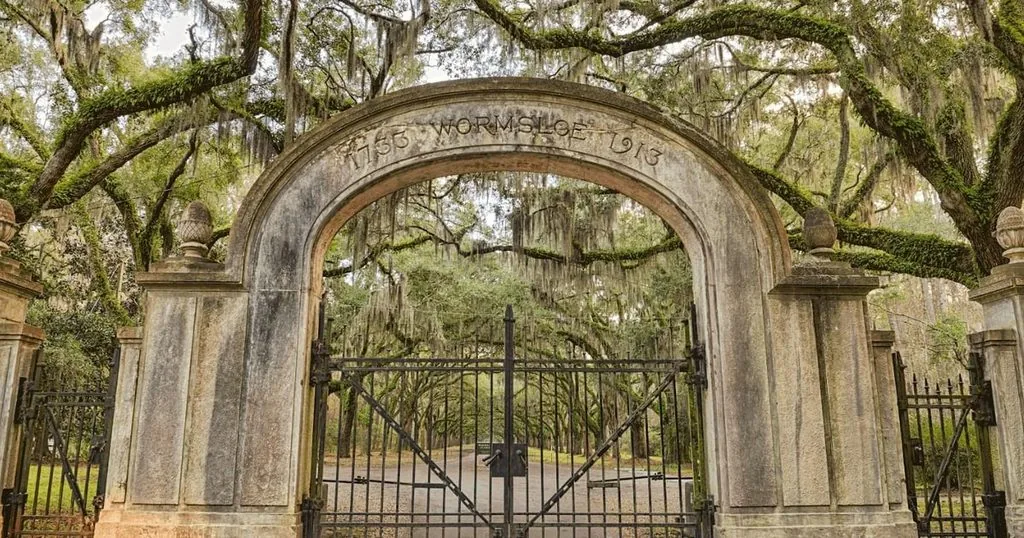 Goes inside Wormsloe
Bonaventure Cemetery & Wormsloe State Historic Site Tour
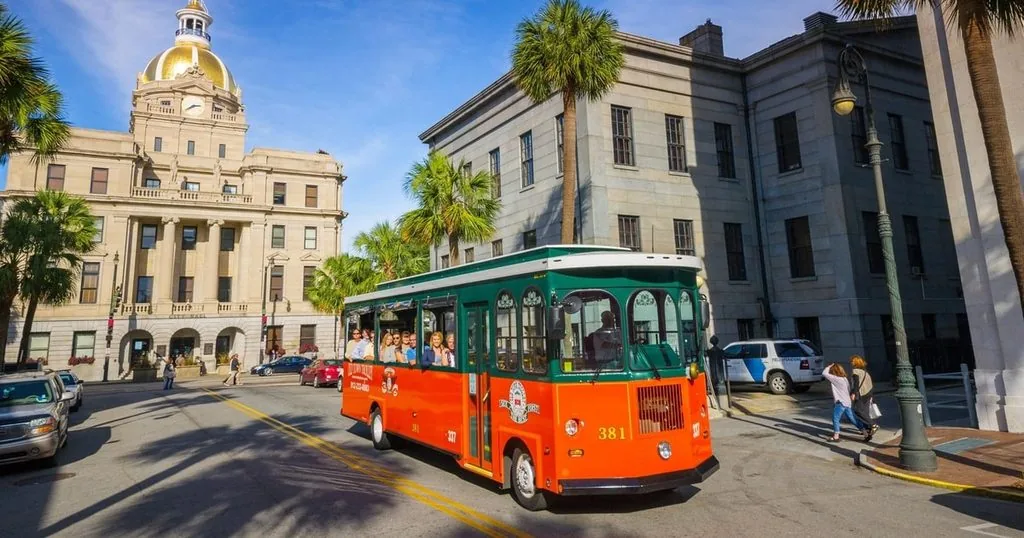 Most reviewed
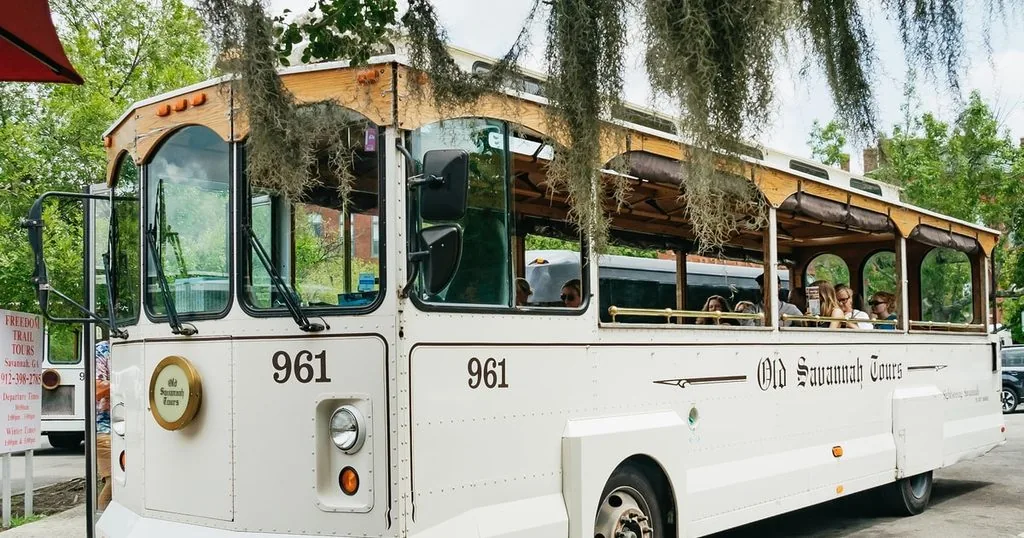
Savannah: Old Town Hop-On Hop-Off Trolley Tour
 Cheapest city tour
Savannah: Old Savannah Tours Historic Overview
 Best rated
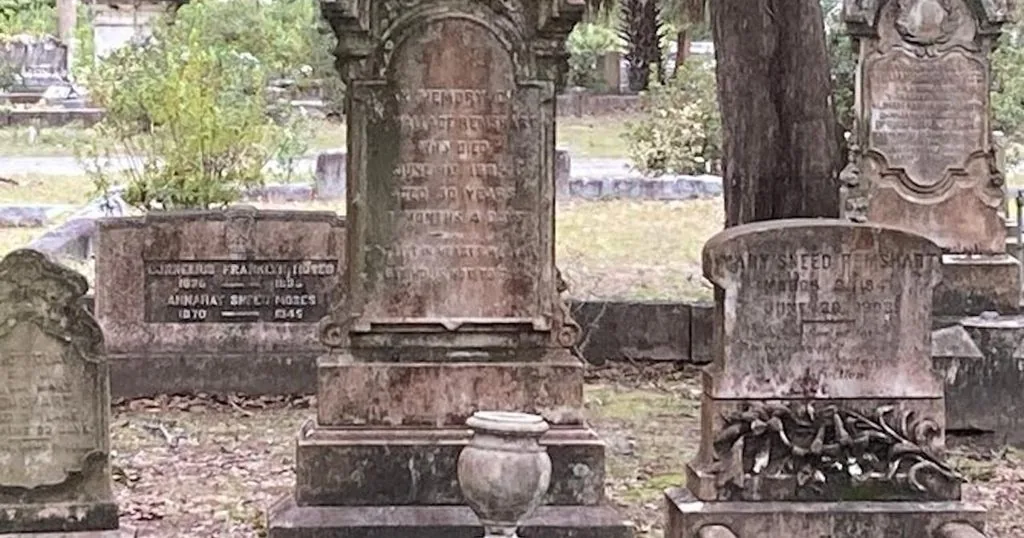
Savannah: Bonaventure Cemetery Golf Cart Guided Tour
 Private guide
Savannah: Historic Districts & Bonaventure Private Tour
What people who actually went said
Word for word from the GetYourGuide reviews of the tours compared here. Read the first one twice: a happy customer, a guide he liked, and he still expected a house to tour. That expectation is the reason this site exists — why there is no house tour. The private tour’s quotes come from a review base of six.
We enjoyed the cemetery tour very much, our guide Albert was very knowledgeable and also made the trip fun. I would have liked to be able to tour the house and grounds though.
I had an excellent experience and my 2 granddaughters and I learned alot, enjoyed both locations and lunch at Driftwood Cafe. The guide, Joyce, was amazing.
Ashley is amazing! So many facts, historical and fun, catering to each of us on the tour. The bus could use some work, it doesn’t like bumps in the road.
Our guide Heather was great on the first leg of the tour. The other 4 drivers not so good. I would recommend using this tour to become acclimated to the city.
My grandson and I enjoyed this tour. It was great that we rode on the golf cart and didn’t have to walk. I only wish we had gotten more supernatural stories.
Andy was our guide. Very knowledgeable and pleasant. It was only his second day as a guide and was phenomenal!
Ratings and reviews are the operators’ live GetYourGuide figures. Read our full tour reviews ›
Four things people ask me at the gate
Years of walking school groups down this avenue, and the same four questions arrived every week. Here are the short, true answers.
Is there anywhere to eat out here?
No. There is a gift shop and there are restrooms, but no food is sold on site at all. There is a picnic area with about 20 first-come tables, so bring lunch or plan to eat back in Savannah — what the site does and does not have.
Can I bring the dog?
Yes, on a leash, on the trails — not inside the buildings. The maritime forest paths suit a dog better than the open avenue on a hot afternoon, and there is a lot of open, uncovered ground here in summer — facilities and rules.
How much walking is this really?
As much or as little as you like. You can drive the avenue and stop at the ruins, or walk the whole thing: the site lists a 7-mile trail system with loops of roughly 2.3 miles, and shuttle tours run on site, which is how some visitors get back without walking the avenue twice — drive, walk or ride.
Was this a plantation?
Yes, among other things, and the word deserves plain language rather than decoration. Enslaved people were held and forced to work at Wormsloe, and in the nineteenth century Noble Jones’s heirs used enslaved labour to grow and harvest cotton here. The estate has also been a military outpost, a country residence, a farm and a tourist attraction — the enslaved people of Wormsloe and the estate’s history.
Can’t make these dates?
Browse more available Wormsloe Historic Site tickets and find one that fits your schedule — all with instant confirmation and free cancellation.
Wormsloe Historic Site, explained
Wormsloe State Historic Site sits at 7601 Skidaway Road on the Isle of Hope, about 8 miles southeast of downtown Savannah — roughly fifteen or twenty minutes in light traffic, longer at rush hour. Noble Jones began developing the estate in 1736, three years after arriving in Georgia with James Oglethorpe, and his descendants hold part of it still. What you come for is the entrance: an avenue of live oaks about a mile and a half long, moss hanging off it in sheets. What you need to know before you turn in at the gate is what is not here.
I am Marion Delaney. I walked school groups down this avenue for years before I started writing about the coast, and I live ten minutes away. In all that time the same scene played out most weeks: a family parks by the ruins, looks around, and asks me where the house is. This essay exists so you are not that family.
There is no house to tour
Wormsloe House — the family residence, not the ruin — is private property, occupied by descendants of Noble Jones. Craig Barrow III and his wife Diana have lived on the family property since 1986. You can see it from the avenue and you may not go near it (the full explanation). What is open to you is the tabby ruin of Jones’s original fortified house, begun in 1736 and now standing a few feet high. Tabby is a colonial concrete of lime, sand, water and oyster shells, and this is among the oldest standing structures in the Savannah area — which is remarkable if you know what you are looking at, and underwhelming if you were expecting columns. Around it sit a small museum of colonial artefacts, a Colonial Life Area with costumed demonstrations on scheduled days, the Jones family burial ground, and trails through maritime forest out to the salt marsh (everything, in order).
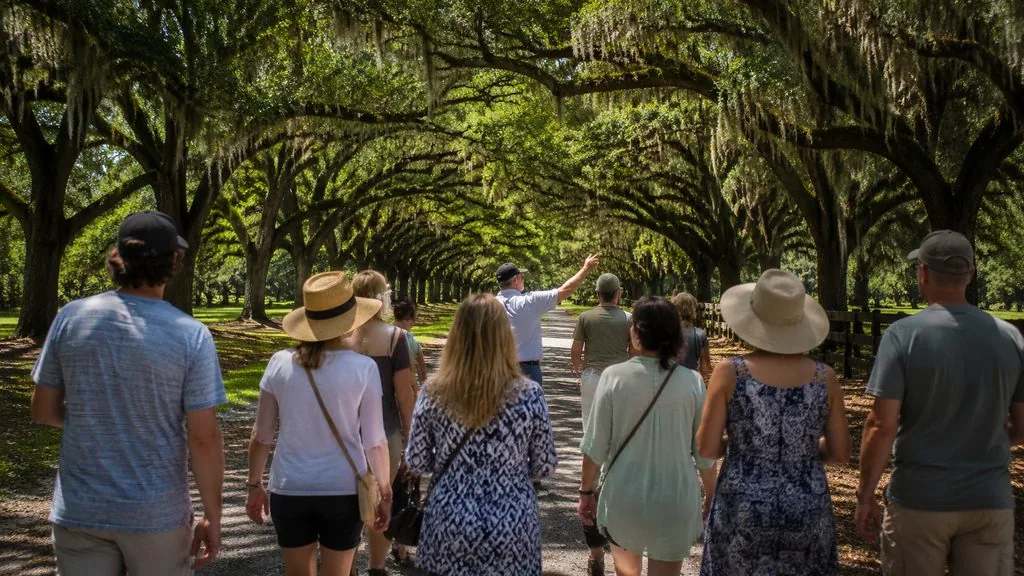
You are paying to drive a road
Every photograph you have seen of this place was taken past the ticket booth. There is no free angle, no lay-by, no fence gap; the avenue starts inside and that is the whole transaction. Georgia State Parks charges by age tier and posts the current rates on gastateparks.org — we do not sell that ticket and never will (what it covers). Whether it feels cheap depends entirely on what you wanted. People who drive out for a quick photo resent paying for one; people who come for a morning walk think it is one of the better hours in Savannah. Same site, same money, opposite verdicts. Plan on one to two hours, or 2.5 if you mean to do the trails as well, and come early: on a Saturday, ten in the morning is quiet enough that almost nobody lands in your frame, and by half past twelve the place is packed (timing it properly). Bring water in summer: much of the site is open and uncovered, and no food is sold here.
Forrest Gump was not filmed here
This is the most searched question about Wormsloe and the answer is no. The running scenes belong to the Beaufort area of South Carolina, and the bench scenes to Chippewa Square in downtown Savannah — where the bench was a prop, later removed because tourists kept stepping into traffic to photograph it. What was filmed here is The Last Song (2010), with the site standing in for the character Will’s family home, and Wormsloe has been used in other productions including The General’s Daughter (1999). Sources disagree about individual scenes, and where they do I say so rather than pick one (the myth and the real credits).
The history, told straight
Noble Jones (1702–1775) named the place for his family’s connection to Wormslow, or Wormelow, Hundred in Herefordshire. Wormsloe is the oldest of Georgia’s tidewater estates and has stayed in one family since the 1730s, serving in turn as a military outpost, a plantation, a country residence, a farm, a tourist attraction and, since 1979, a state historic site. The early fields grew corn, rice, indigo and rare fruits, with mulberry trees planted for silkworms. Enslaved people were held and forced to work at Wormsloe, and in the nineteenth century Jones’s heirs used enslaved labour to grow and harvest cotton on this ground. That sentence belongs in the same paragraph as the oaks, not in a footnote (the enslaved people of Wormsloe and the estate’s full story).
Drive yourself, or take the one tour that goes
There is no rail service out here, so it is your own car, a rideshare, or a guided tour. Driving yourself is cheapest and gives you the nine o’clock avenue, which is the best version of it. If you would rather have the history spoken aloud and someone else at the wheel, know this: of every bookable tour in Savannah, exactly one turns in at the Wormsloe gate. It pairs the site with Bonaventure Cemetery across about six hours, includes transport from the city, and starts at $59 a person (what it covers). The trolley, the stay-on-the-bus overview, the golf-cart cemetery tour and the private day are all decent products and none of them stops here; use one to learn the downtown squares, then drive out yourself (all five, sorted by that fact).
That is the method. Decide whether you want a photograph, a walk or a story, buy accordingly, and arrive early. Do that and Wormsloe is a beautiful hour or two on the Georgia coast. Arrive expecting a mansion and it is a field with a fee.
Frequently asked questions
Is Wormsloe Historic Site worth visiting?
For a quiet hour or two under the oaks, yes — the avenue is as good as the photographs and the tabby ruins are among the oldest standing structures in the Savannah area. For a grand estate tour, no: there is no house to go into, the ruins stand only a few feet high, and visitors who came for a mansion leave annoyed. Decide which of those you are before you drive out — the honest split verdict, what is actually there and the one tour that includes it.
Do you have to pay to get into Wormsloe?
Yes. Admission is charged at the gate for adults, seniors, youth and small children on the four tiers Georgia State Parks publishes, and there is no free vantage point outside that gives you the avenue photograph. Rates and online-ticket rules change, so check the official listing before you go — what the ticket includes and gastateparks.org.
Was Forrest Gump filmed at Wormsloe?
No. The running scenes were filmed around Beaufort, South Carolina, with locations discussed near Yemassee and on St Helena Island, and the bench scenes were shot at Chippewa Square in downtown Savannah — that bench was a movie prop and was later removed because tourists stepped into traffic to photograph it. What was filmed at Wormsloe is The Last Song (2010), where the site stood in for the character Will’s family home, and the estate has appeared in other productions including The General’s Daughter (1999) — the full answer.
Is there a plantation house to tour at Wormsloe?
No, and this is the single most common disappointment here. Wormsloe House is the family residence, it remains private property occupied by descendants of Noble Jones, and it is visible from the oak avenue but closed to visitors — please do not approach it. What you can go into is the museum and the Colonial Life Area, and what you can walk around are the tabby ruins of the much older fortified house — why the house is closed and what you see instead.
How long do you need at Wormsloe Historic Site?
Budget one to two hours for the avenue, the ruins, the museum and the colonial-life area, which is the typical visit US News describes. One thorough account of covering the whole site, trails included, runs to 2.5 hours. Add time if you plan to walk the avenue both ways rather than drive it — splitting the time and when to arrive.
Can you drive through Wormsloe?
Yes. The 1.5-mile oak avenue is a road, and most visitors drive in, park near the ruins and walk from there; you may also walk the avenue, and shuttle tours run at the site, which is how some people get back without walking it twice. Drive it slowly, because people are photographing it — driving, walking and the shuttle and photographing the avenue.
What are the opening hours at Wormsloe?
Georgia State Parks lists the site as open 9 a.m. to 4:45 p.m. daily, closed Thanksgiving and Christmas Day. Arriving near closing leaves too little time for the avenue and the trails, and the light and the crowds both favour the first hour — hours and last entry and how long the drive out takes.
Were there enslaved people at Wormsloe?
Yes. Enslaved people were held and forced to work at Wormsloe, and in the nineteenth century Noble Jones’s heirs used enslaved labour to grow and harvest cotton on this land. The early estate grew corn, rice, indigo and rare fruits, with mulberry trees planted for silkworms. That history belongs in any honest description of the place — the enslaved people of Wormsloe and Noble Jones and the estate.
Still have questions? Email us [email protected]